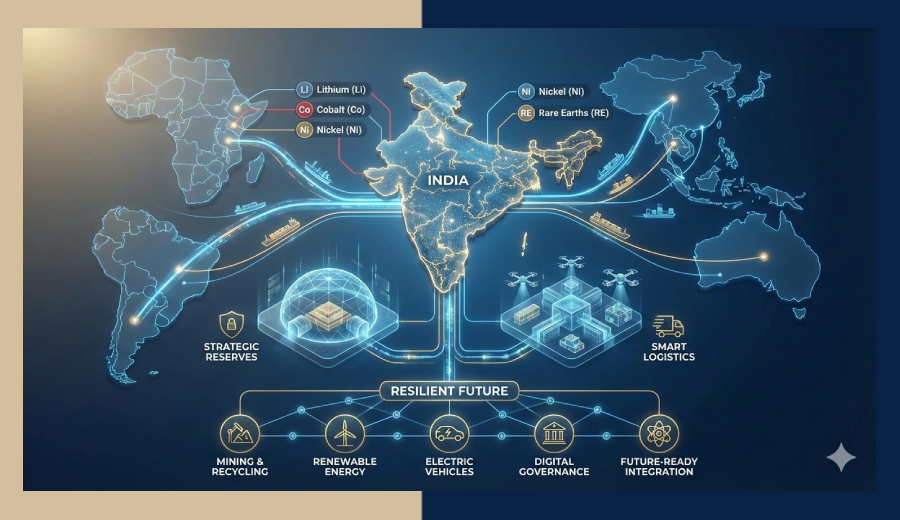
In the twenty-first century, minerals have quietly become the new oil. They fuel electric vehicles, power renewable energy systems, enable advanced electronics, and strengthen defence capabilities. As nations race toward a technology-driven future, the demand for minerals such as lithium, cobalt, rare earth elements, nickel, and graphite is skyrocketing. Yet, their supply chains remain deeply vulnerable, threatened by geopolitical tensions, export controls, trade wars, and disruptions caused by global events. For a fast-developing nation like India, ambitious in its clean energy goals, electri...
Read More
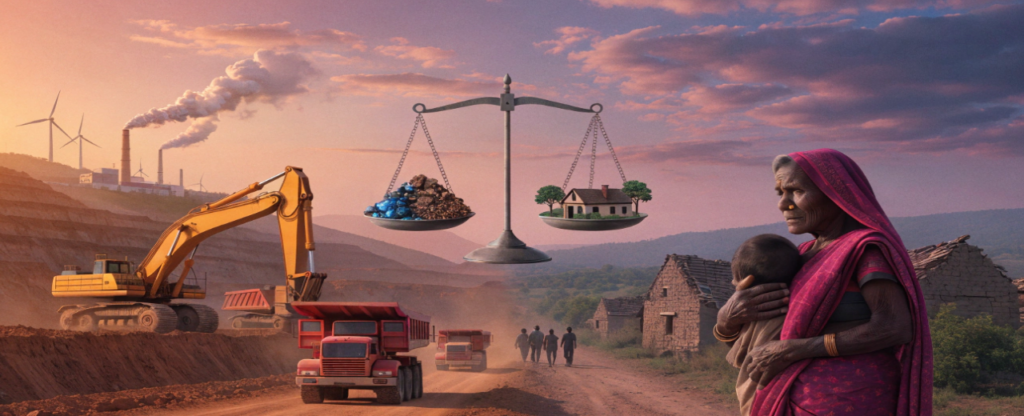
India is emerging as a vital new player in the global critical minerals landscape. With vast untapped reserves, proactive policy frameworks, and an increasing urgency to secure clean-energy supply chains, the country stands at a rare crossroads. The choices made today will determine whether mining becomes a catalyst for inclusive growth, or a repetition of the displacement-driven narratives of the past. By 2030-31, the National Critical Minerals Mission aims to secure 24 essential minerals. This ambition is not without foundation. India has over ₹1 lakh crore accumulated in District Mineral Fo...
Read More

The global transition toward clean energy is accelerating at a historic pace, and at the centre of this transformation lies a group of resources many people rarely think about: critical minerals. Beneath the polished surfaces of electric vehicles, wind turbines, solar panels, and advanced electronics lies a network of materials such as lithium, cobalt, nickel, copper, graphite, and rare earth elements. These minerals form the backbone of modern energy storage and renewable infrastructure. Demand for them is skyrocketing. Lithium consumption alone grew by nearly 30% in 2023, while the need for...
Read More